Monday, 9 January 2023
Sun allergy
Sun allergy is a broad term. It describes several conditions that cause an itchy rash to form on the skin after being in sunlight or other sources of ultraviolet (UV) radiation. Polymorphous light eruption is the most common form of sun allergy.
Some people have a hereditary type of sun allergy. Others develop symptoms only when triggered by another factor — such as taking medication or touching certain plants. Other types of sun-related reactions occur for reasons that are unclear.
Mild sun allergy may clear up without treatment. Severe rashes may be treated with steroid creams or pills. If you have severe sun allergy, you may need to take preventive steps. For example, wear clothing that shields you from the sun.

Symptoms
How skin with sun allergy looks varies widely depending on the color of your skin and what's causing the symptoms. Signs and symptoms may include:
Itchiness (pruritus)
Stinging
Tiny bumps that may merge into raised patches
A flushing of the exposed area
Blisters or hives
Symptoms usually occur only on skin that has been exposed to the sun or other source of UV light. Symptoms show up within minutes to hours after sun exposure.
When to see a doctor
See a health care provider if you have unusual, bothersome skin reactions after being in the sun. For severe or persistent symptoms, you may need to see someone who specializes in diagnosing and treating skin disorders (dermatologist).
Causes
Causes of sun allergy include immune system reactions to sunlight, certain medications and chemicals that make the skin more sensitive to the sun. It isn't clear why some people have a sun allergy and others don't. Inherited traits may play a role.
Visit : https://dermatology-conferences.pencis.com/
Award Nomination - https://x-i.me/deawanom07

Monday, 2 January 2023
Dermatology Melanoma
Melanoma, the most serious type of skin cancer, develops in the cells (melanocytes) that produce melanin — the pigment that gives your skin its color. Melanoma can also form in your eyes and, rarely, inside your body, such as in your nose or throat.
The exact cause of all melanomas isn't clear, but exposure to ultraviolet (UV) radiation from sunlight or tanning lamps and beds increases your risk of developing melanoma. Limiting your exposure to UV radiation can help reduce your risk of melanoma.
The risk of melanoma seems to be increasing in people under 40, especially women. Knowing the warning signs of skin cancer can help ensure that cancerous changes are detected and treated before the cancer has spread. Melanoma can be treated successfully if it is detected early.
Symptoms
Melanomas can develop anywhere on your body. They most often develop in areas that have had exposure to the sun, such as your back, legs, arms and face.
Melanomas can also occur in areas that don't receive much sun exposure, such as the soles of your feet, palms of your hands and fingernail beds. These hidden melanomas are more common in people with darker skin.

The first melanoma signs and symptoms often are:
A change in an existing mole
The development of a new pigmented or unusual-looking growth on your skin
Melanoma doesn't always begin as a mole. It can also occur on otherwise normal-appearing skin.
Normal moles
Normal moles are generally a uniform color — such as tan, brown or black — with a distinct border separating the mole from your surrounding skin. They're oval or round and usually smaller than 1/4 inch (about 6 millimeters) in diameter — the size of a pencil eraser.
Most moles begin appearing in childhood and new moles may form until about age 40. By the time they are adults, most people have between 10 and 40 moles. Moles may change in appearance over time and some may even disappear with age.
Thursday, 22 December 2022
Dermatology Lip cancer
.jpg)
Monday, 12 December 2022
Dermatology Hyperhidrosis
Hyperhidrosis
Overview
Sometimes an underlying condition may be found and treated.
Symptoms
When to see a doctor
Sometimes excessive sweating is a sign of a serious condition.
See your health care provider if:
- Sweating disrupts your daily routine
- Sweating causes emotional distress or social withdrawal
- You suddenly begin to sweat more than usual
- You experience night sweats for no apparent reason

Causes
There is no medical cause for this type of hyperhidrosis. It can run in families.
More Details :
Member Nomination - https://x-i.me/dermemb07
Award Nomination - https://x-i.me/deawanom07
Thursday, 8 December 2022
Dermatology
Overview

Types
Contact dermatitis
- Cradle cap
- Diaper rash
- Seborrheic dermatitis
Symptoms
- Itchiness (pruritus)
- Dry skin
- Rash on swollen skin that varies in color depending on your skin color
- Blisters, perhaps with oozing and crusting
- Flaking skin (dandruff)
- Thickened skin
- Bumps in hair follicles
When to see a doctor
- Visit :Member Nomination - https://x-i.me/dermemb07
- Award Nomination - https://x-i.me/deawanom07
Monday, 5 December 2022
Dermatology Basal cell carcinoma
Basal cell carcinoma is a type of skin cancer. Basal cell carcinoma begins in the basal cells — a type of cell within the skin that produces new skin cells as old ones die off.
Basal cell carcinoma often appears as a slightly transparent bump on the skin, though it can take other forms. Basal cell carcinoma occurs most often on areas of the skin that are exposed to the sun, such as your head and neck.
Most basal cell carcinomas are thought to be caused by long-term exposure to ultraviolet (UV) radiation from sunlight. Avoiding the sun and using sunscreen may help protect against basal cell carcinoma.
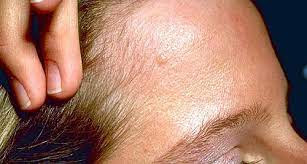
Symptoms
Basal cell carcinoma usually develops on sun-exposed parts of your body, especially your head and neck. Less often, basal cell carcinoma can develop on parts of your body usually protected from the sun, such as the genitals.
Basal cell carcinoma appears as a change in the skin, such as a growth or a sore that won't heal. These changes in the skin (lesions) usually have one of the following characteristics:
- A shiny, skin-colored bump that's translucent, meaning you can see a bit through the surface. The bump can look pearly white or pink on white skin. On brown and Black skin, the bump often looks brown or glossy black. Tiny blood vessels might be visible, though they may be difficult to see on brown and Black skin. The bump may bleed and scab over.
- A brown, black or blue lesion — or a lesion with dark spots — with a slightly raised, translucent border.
- A flat, scaly patch with a raised edge. Over time, these patches can grow quite large.
- A white, waxy, scar-like lesion without a clearly defined border.
When to see a doctor
Make an appointment with your health care provider if you observe changes in the appearance of your skin, such as a new growth, a change in a previous growth or a recurring sore.
Visit : dermatology-conferences.pencis.com
Member Nomination - https://x-i.me/dermemb07
Award Nomination - https://x-i.me/deawanom07
Friday, 2 December 2022
Cosmetic Dermatology
Importance The public and other medical specialties expect dermatologists who offer cosmetic dermatology services to provide competent care. There are numerous barriers to achieving cosmetic dermatology competency during residency. Many dermatology residents enter the workforce planning to provide cosmetic services. If a training gap exists, this may adversely affect patient safety.Objectives To identify resources available for hands-on cosmetic dermatology training in US dermatology residency training programs and to assess program director (PD) attitudes toward cosmetic dermatology training during residency and strategies, including discounted pricing, used by training programs to overcome barriers related to resident-performed cosmetic dermatology procedures.Design, Setting, and Participants An online survey in academic dermatology practices among PDs of US dermatology residency programs.Main Outcomes and Measures Frequency of cosmetic dermatology devices and injectables used for dermatology resident hands-on cosmetic dermatology training, categorizing PD attitudes toward cosmetic dermatology training during residency and describing residency-related discounted pricing models.Results Responses from PDs were received from 53 of 114 (46%) US dermatology residency programs. All but 3 programs (94%) offered hands-on cosmetic dermatology training using botulinum toxin, and 47 of 53 (89%) provided training with hyaluronic acid fillers. Pulsed dye lasers represented the most common laser use experienced by residents (41 of 52 [79%]), followed by Q-switched Nd:YAG (30 of 52 [58%]). Discounted procedures were offered by 32 of 53 (60%) programs, with botulinum toxin (30 of 32 [94%]) and fillers (27 of 32 [84%]) most prevalent and with vascular lasers (17 of 32 [53%]) and hair removal lasers (12 of 32 [38%]) less common.

Various discounting methods were used. Only 20 of 53 (38%) PDs believed that cosmetic dermatology should be a necessary aspect of residency training; 14 of 52 (27%) PDs thought that residents should not be required to perform any cosmetic dermatology procedures.Conclusions and Relevance Although almost every program provides hands-on cosmetic dermatology training, there are barriers to training, including patient preferences, costs of procedures and products, and PD attitudes toward cosmetic dermatology training. To promote patient safety, procedural competency is imperative.
Visit: dermatology-conferences.pencis.com
Member Nomination - https://x-i.me/dermemb07
Award Nomination - https://x-i.me/deawanom07
Subscribe to:
Posts (Atom)
-
My Acne Journey: Tips and Tricks for Clear, Healthy Skin Struggling with acne? You're not alone. Learn about my journey with acne and ...
-
 Acne is a common skin condition that occurs when hair follicles become clogged with oil and dead skin cells. It can appear as blackheads, wh...
 -
.jpg) Dermatitis refers to a range of skin conditions that cause inflammation and irritation of the skin. There are several types of dermatitis, e...
Dermatitis refers to a range of skin conditions that cause inflammation and irritation of the skin. There are several types of dermatitis, e...