Saturday, 18 February 2023

Cancer Mystery Solved: Scientists Discover How Melanoma Tumors Control Mortality

TOPICS:CancerMelanomaSkin CancerTumorUniversity Of Pittsburgh
Melanoma is a type of skin cancer that develops in the cells (melanocytes) that produce pigment in the skin. It is a more aggressive form of skin cancer and can spread (metastasize) to other parts of the body if not detected and treated early.

A team of scientists from the University of Pittsburgh School of Medicine has found the missing puzzle piece in the mystery of how melanoma tumors control their mortality.

In a paper published in Science, they describe how they identified the specific genetic changes that allow tumors to grow rapidly while also preventing their own death. This discovery could have significant implications for the way melanoma is understood and treated by oncologists.
Telomeres, protective caps at the end of the chromosome, are required to prevent DNA from degrading. In healthy cells, telomeres become shorter with each cycle of replication until they become so short that the cell can no longer divide. Disruptions in maintenance of the length of the telomeres can lead to severe disease. Short telomere syndromes lead to premature aging and death, but extra-long telomeres are associated with cancer.

For years, scientists have observed strikingly long telomeres in melanoma tumors, especially in comparison with other cancer types.

“There’s some special link between melanoma and telomere maintenance,” said Alder. “For a melanocyte to transform into cancer, one of the biggest hurdles is to immortalize itself. Once it can do that, it’s well on its way to cancer.”

The telomerase protein is responsible for elongating telomeres, protecting them from damage, and preventing cell death. Telomerase is inactive in most cells, but many types of cancers use mutations in the telomerase gene, TERT, that activate this protein and allow cells to continue growing. Melanoma is particularly well-known for doing just this.
#Cosmetology #PlasticSurgery #Onycholysis #Paronychia #Pitting #Beaulines #Koilonychia #Alopecia #Melanonychia #Nail #Melanoma #Ichthyosis #Pemphigus #vitiligo #streptococc #Dermatitis #Shingles #Sunburn #Skindiseases #vulgaris 
#Rosacea #SkinMoles #Dermatology #science #medicine


Wednesday, 15 February 2023

Utilizing age-appropriate treatments for alopecia areata:

 MIAMI BEACH, Fla. Treatment options for alopecia areata are expanding, but practitioners with pediatric patients should be cognizant of what is appropriate for young individuals, according to a presenter here.

“This is the range of alopecia areata. It’s a very heterogeneous disease. It often has an onset in childhood, so we are going to be seeing a lot of these patients,” Brittany G. Craiglow, MD, associate professor of dermatology at Yale School of Medicine, said during a presentation at the Masters of Pediatric Dermatology meeting. “It’s often a really emotionally devastating disease. It’s very easy to say ‘oh, it’s just hair,’ but if it happens to you or your family member, it really is not. This can have a really profound impact on a child’s life.”
Alopecia 4
Treatment options for alopecia areata are expanding, but practioners with pediatric patients should be cognizant of what is appropriate for young individuals.
While research is advancing on different fronts for the disease, including exciting developments in Janus kinase inhibitors, choosing the right treatment for younger children includes weighing the risks and benefits of each treatment.
Very young children are most likely not going to benefit as much from prednisone or a JAK inhibitor, which each come with their own complications.
“For really little kids we don’t have a ton of options,” Craiglow said. “What’s so useful for families, especially when the kids are young, is to say, ‘hey look, the treatment landscape is really changing.’ If we need to be more aggressive down the line, we can. I really think this is a disease in 5 or 10 years that we’re going to look at as very treatable.”
Topical corticosteroids, often combined with topical minoxidil, is often a good option for young children with limited scalp involvement. Intralesional corticosteroids, however, are not appropriate for use in young children.
“Treatment should not be worse than the disease and we don’t want to be setting kids up for a fear of doctors for the rest of their life,” Craiglow said.
For some children, four to six doses of prednisone combined with other treatments can be beneficial; however, there could be a high rate of relapse.
Additionally, oral minoxidil has been a “game changer,” according to Craiglow, as it allows for hair growth without negative effects.
#Cosmetology #PlasticSurgery #Onycholysis #Paronychia #Pitting #Beaulines #Koilonychia #Alopecia #Melanonychia #Nail #Melanoma #Ichthyosis #Pemphigus #vitiligo
#streptococc #Dermatitis #Shingles #Sunburn #Skindiseases #vulgaris #Rosacea #SkinMoles #medicine #doctors #dermatology 


Friday, 10 February 2023

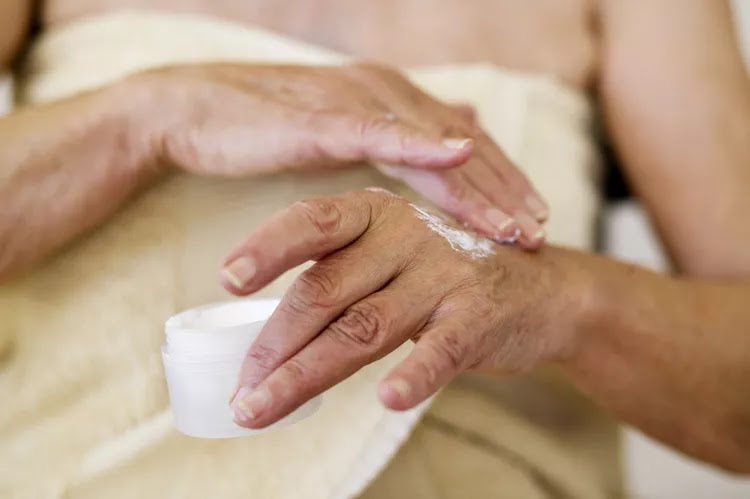
5 Must-Know Winter Skincare Tips, According to Dermatologists.


 Longer days, intense wind chill, snowstorms—wintertime brings annual certainties. With the changing weather comes physical factors to consider, perhaps most notably dry, flaky skin.

Freezing wind chills, low humidity levels, and dry indoor heat are all winter conditions that can leave your skin looking less hydrated and radiant than normal.1 These various seasonal characteristics eliminate moisture from your skin, which can cause dryness, redness, flakiness, itchiness, cracking, peeling, and bleeding to the face, hands, feet, legs, and other areas that are exposed.2
“Dry air and wind strip the outer skin layer of oils needed to maintain healthy barrier function. As the skin loses hydration, microscopic cracks develop in the outer layer along with inflammation,” Joshua Zeichner, MD, an associate professor of dermatology and the director of Cosmetic & Clinical Research in Dermatology at Mount Sinai Hospital in New York, told Health.
The good news, Dr. Zeichner explained, is that making small changes to your skincare routine, as well as using the right products, may help soothe your skin, prevent irritation, and help with hydration.

Monday, 6 February 2023

Skin diseases: Psoriasis and eczema common problems during winters; expert recommends treatment

 Cold weather conditions continue in several parts of the country. People catch several diseases due to dipping temperatures. Skin diseases also see an uptick in the winter. Psoriasis and eczema are common problems during this time of the year. Hospitals are witnessing a spike in the number of patients with these two diseases. These skin-related complications can turn dangerous and therefore it becomes important to adopt safeguards against them.

Dr Bhawuk Dhir of the department of dermatology at Ram Manohar Lohia (RML) Hospital, Delhi, says that the number of patients with psoriasis and eczema increases during the winter. It is very important to take preventive measures against these diseases.

Dr Dhir says that skin diseases rise in the winter due to lack of moisture in the air, dip in temperature and rise in pollution. Besides, our skin is not used to less humidity when compared to the summer, he adds. Those suffering from eczema and psoriasis face even more trouble at this point in time. Apart from this, other complications related to the skin and hair increase.

What are eczema and psoriasis?

According to Dr Bhawuk Dhir, eczema also known as dermatitis causes red spots on the skin accompanied by a lot of itching. A white layer of skin also starts to peel off. If not treated on time, these diseases can spread to other parts of the body also.

Which other diseases are on rise?

In the winter, people also complain of dry skin, chilblains and numbness in fingers and toes. Another skin disorder called scabies also sees a spike due to a lack of hygiene as people tend to bathe less in the cold weather. This manifests as itching in fingers and armpits. Since this disease is contagious, other members of the family can also get affected by it.

How to take care of skin?

Avoid using very hot water for bathing and washing hands

Keep the room temperature in the medium range

Dont stay in the bathroom for too long

Use light soaps and moisturisers without fragrance

Continue using sunscreen as advised by your doctor, especially if you have melasma and lupus erythematosus.

How to get rid of dandruff?

Avoid using oil in the hair

Wash your scalp regularly

Use water that is neither too hot nor too cold for cleaning hair

Use anti-dandruff shampoo twice a week to clean your scalp (keep the shampoo on the scalp for 5 minutes before washing it)


Wednesday, 1 February 2023

Beau’s Lines on Nails: Often a Symptom of a Serious Underlying Condition

 Beau’s lines are ridges that develop across the nails. They happen when nail growth is interrupted at the nail matrix. They can result from environmental factors and some medical issues.

Visit      https://dermatology-conferences.pencis.com/

Award Nomination - https://x-i.me/deawanom07 


My Acne Journey: Tips and Tricks for Clear, Healthy Skin

  My Acne Journey: Tips and Tricks for Clear, Healthy Skin Struggling with acne? You're not alone. Learn about my journey with acne and ...